Understanding the Support Crew and Safety Backup on Guided India Motorcycle Tours
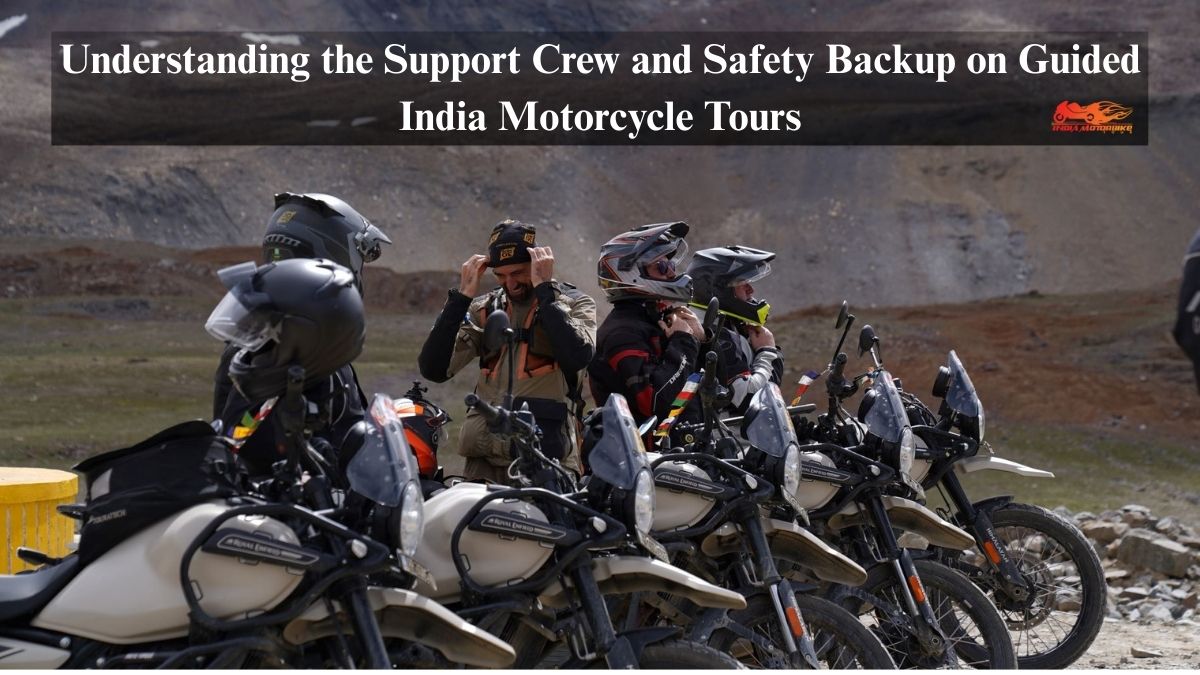
Riding a motorcycle across India is an intense and rewarding experience, but it also comes with unpredictable variables. Road conditions can change quickly, weather can turn without warning, and mechanical issues may appear far from the nearest town. This is why support systems matter just as much as the route itself.For international and long distance riders, the real difference between a stressful journey and a confident one often comes down to the people working quietly behind the scenes. Understanding how support crews and safety backup operate helps riders choose tours that are not only exciting, but also responsibly planned.
The Role of the Road Captain
On any Guided Motorcycle Tour India, the road captain is the backbone of the daily ride. This person leads the group, sets the pace, and reads road conditions in real time.A skilled road captain understands when to slow the group, when to reroute, and when to stop early for safety. They also manage group spacing so riders are never rushed or isolated. For riders unfamiliar with Indian traffic patterns, this leadership reduces mental strain and builds confidence quickly.
The Support Vehicle and Its Importance
Most well-organized tours include a dedicated support vehicle that follows the riding group. This vehicle is not a luxury. It is a critical safety and logistics tool.The support vehicle usually carries spare parts, tools, luggage, drinking water, and basic medical supplies. It allows riders to travel lighter and focus on riding instead of managing gear. In the event of a breakdown, the vehicle ensures that the group does not lose an entire day dealing with logistics.
Mechanics Who Understand Local Conditions
Motorcycle mechanics on guided tours are trained specifically for the bikes used on that route and the conditions they will face. Their job is preventive as much as reactive.Daily inspections, chain adjustments, brake checks, and quick fixes keep small issues from becoming serious problems. In remote regions, this mechanical knowledge becomes invaluable, especially where workshops are scarce.
Safety Backup in High Altitude Regions
On Motorcycle Tours in Himalayas, safety planning becomes even more important. Altitude, cold temperatures, and isolation add layers of complexity to the ride.Support crews in these regions monitor riders closely for signs of fatigue or altitude discomfort. Routes are planned with acclimatization days, and riding hours are kept realistic. Backup plans are always in place for weather changes or road closures, which are common in mountain terrain.In areas like Ladakh and Spiti Valley, this level of preparation often determines whether a tour runs smoothly or becomes exhausting.
Medical Preparedness and Emergency Response
While serious emergencies are rare, good tours are prepared for them. Support teams usually carry first aid kits and have protocols for evacuation if required.Guides are trained to respond calmly to injuries or illness and know when to stop riding for the day. This readiness creates peace of mind for riders, especially those traveling far from home.
Communication Systems and Daily Coordination
Clear communication keeps groups safe. Support crews coordinate using radios or mobile systems to stay connected throughout the day.This allows quick responses if a rider falls behind or if road conditions change ahead. Daily briefings also help riders understand what to expect, reducing surprises and improving group flow.
Why Support Structure Matters to Riders
Many riders focus only on routes and motorcycles when choosing a tour. In reality, the strength of the support crew often matters more than the scenery.A strong support system means fewer delays, less stress, and better recovery when things do not go as planned. It allows riders to push their comfort zone while knowing help is always nearby.This is a key element of any Detailed Travel Guide for Riders who want to understand what separates professional tours from poorly planned ones.
Final Thoughts
Support crews and safety backup are the invisible framework that holds guided motorcycle tours together. They handle problems before riders even notice them and step in calmly when challenges arise.For anyone considering a guided motorcycle journey in India, understanding this structure is essential. A tour with strong support allows riders to focus on the road, the landscape, and the experience itself, knowing that expertise and backup are always close at hand.
