Motorbike Tours in India: A Detailed Travel Guide for Riders
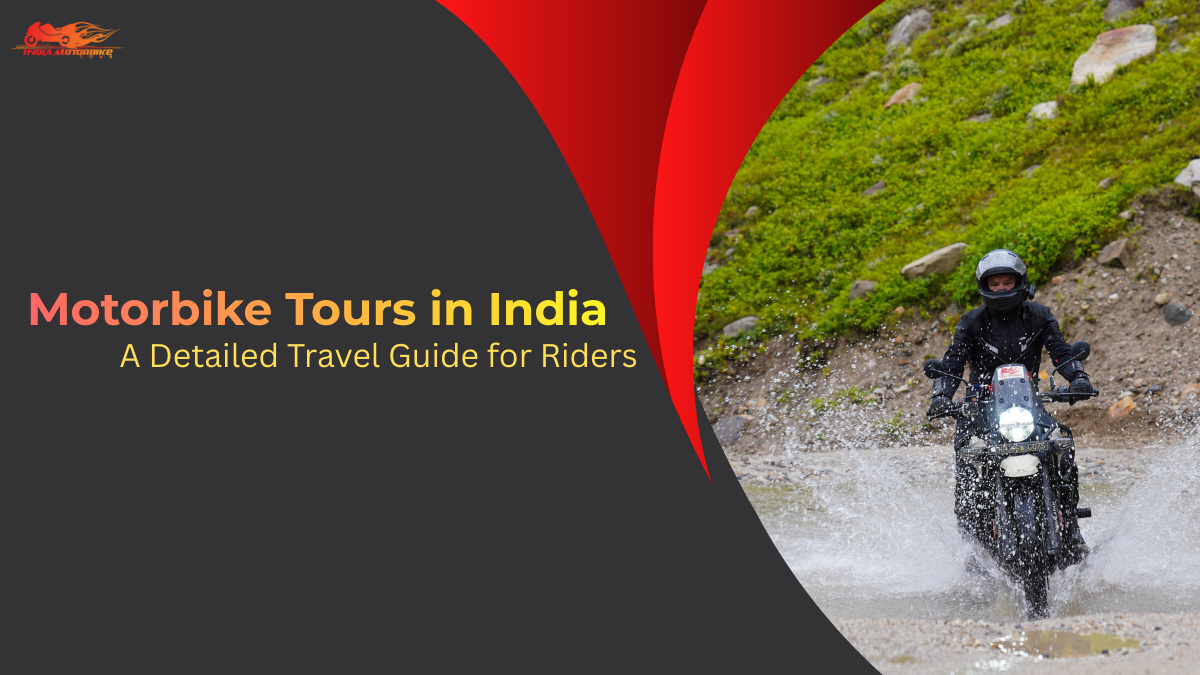
Exploring India on two wheels is one of the most immersive ways to understand the country. From busy highways to quiet mountain roads, every ride offers a mix of landscapes, cultures, and daily life that is hard to experience any other way. For foreign riders, motorbike travel is not just about distance or speed. It is about slowing down, observing local rhythms, and connecting with places beyond tourist hotspots.This guide is written to help international travelers clearly understand how motorbike touring works in India. It covers routes, planning, safety, rentals, and support systems so you can decide if this style of travel is right for you.
Why Motorbike Travel Works Well in India
India has an enormous road network that connects cities, villages, deserts, forests, and high-altitude regions. Motorbikes allow riders to move flexibly through traffic, stop easily at small towns, and take narrow roads where cars cannot go comfortably.Another reason motorbike touring is popular is cost efficiency. Fuel is affordable, accommodation options range from budget guesthouses to premium hotels, and food is easily available almost everywhere.
Riders can travel long distances without high daily expenses.Cultural variety is also a big attraction. Within a single ride, you may experience different languages, cuisines, and traditions. This constant change keeps long journeys interesting and engaging.
Which are the Popular Regions for Motorbike Tours?
India offers diverse riding regions, each suitable for different experience levels.The Himalayan region is known for high mountain passes, cold deserts, and dramatic views. Routes here are challenging due to altitude, weather changes, and road conditions, but they are extremely rewarding for experienced riders. You can also find Hidden and Less-Crowded Routes in the Himalayan region.
Rajasthan offers wide desert highways, historic towns, and well-maintained roads. It is suitable for riders who want long, smooth stretches with cultural sightseeing along the way.South India provides coastal roads, green hills, and relatively better traffic discipline. It is a good option for first-time foreign riders who want scenic routes with moderate riding difficulty.
Central and eastern regions are less explored but offer forest roads, tribal areas, and a quieter riding experience for those looking to avoid crowds.
Understanding India Motorcycle Tours
Many foreign travelers choose guided India Motorcycle Tours because they simplify logistics and reduce uncertainty. These tours usually include a fixed route, accommodation, support vehicles, and experienced guides who understand local road conditions.
Guided tours are especially helpful if you are unfamiliar with Indian traffic rules or riding conditions. They also provide mechanical backup, which is important in remote areas where repair shops may be limited.However, guided tours follow a set schedule.
If you prefer complete freedom and flexible stops, independent riding may suit you better, though it requires more preparation.
Choosing the Right Motorbike
The most commonly used bikes for touring in India are mid-range motorcycles with strong suspension and reliable engines. Royal Enfield models are popular because spare parts are widely available across the country.
For foreign riders, engine sizes between 350cc and 500cc are usually sufficient. Larger engines may feel powerful but can be difficult to handle in traffic-heavy areas. Before starting the journey, always test the bike, check brakes, tires, lights, and ensure documents such as registration and insurance are valid.
Role of Bike Tour Operators in India
Professional Bike Tour Operators in India play an important role in supporting foreign riders. They manage permits, hotel bookings, local guides, and emergency assistance, which can otherwise be difficult to arrange independently. Most operators offer airport pickups, riding gear rentals, and route briefings before the tour begins. This structured support helps riders focus more on the experience and less on daily logistics.
When choosing an operator, check reviews, group size, safety standards, and the level of on-road support provided. Smaller groups usually offer a more personal and relaxed riding experience.
Safety and Traffic Awareness
Traffic conditions in India can be unpredictable. Lane discipline is flexible, and road users include cars, trucks, animals, bicycles, and pedestrians sharing the same space. Riding defensively is essential. Maintain moderate speeds, avoid riding at night, and always assume that other road users may change direction suddenly.Protective gear is non-negotiable.
A full-face helmet, riding jacket, gloves, and boots significantly reduce risk. Many tour operators provide gear, but bringing your own ensures proper fit and comfort.
Best Time for Motorbike Travel
The ideal riding season depends on the region. October to March is generally suitable for most parts of India due to cooler temperatures and clearer roads. If you are going to explore indian himalayas, the best time to visit will be between June and September, when passes are open.
Desert and central regions should be avoided during peak summer months due to extreme heat.Planning around weather conditions improves comfort and reduces the risk of road closures.
Final Thoughts
Motorbike touring in India is not about rushing from one destination to another. It is about patience, awareness, and openness to the unexpected. Roads may be imperfect, plans may change, but the experience gained is deeply rewarding.
For foreign riders who enjoy adventure, cultural discovery, and slow travel, India offers one of the most intense and memorable motorbike journeys in the world. With proper planning and realistic expectations, your ride can be both safe and unforgettable.
